Magical Autonomous Mobility in the Synthetically Intelligent City
A research interface exploring how Connected Autonomous Renewable Energy Vehicles and the Synthetically Intelligent City
Investigating the impacts of Connected Autonomous Renewable Energy Vehicles (CAREV) and the Synthetically Intelligent City
Using a practice-based, systemic and environmental approach to explore how CAREV can benefit the environment, human health and wellbeing, while presenting a vision for a magical modality and an environmentally responsive urban transport system.
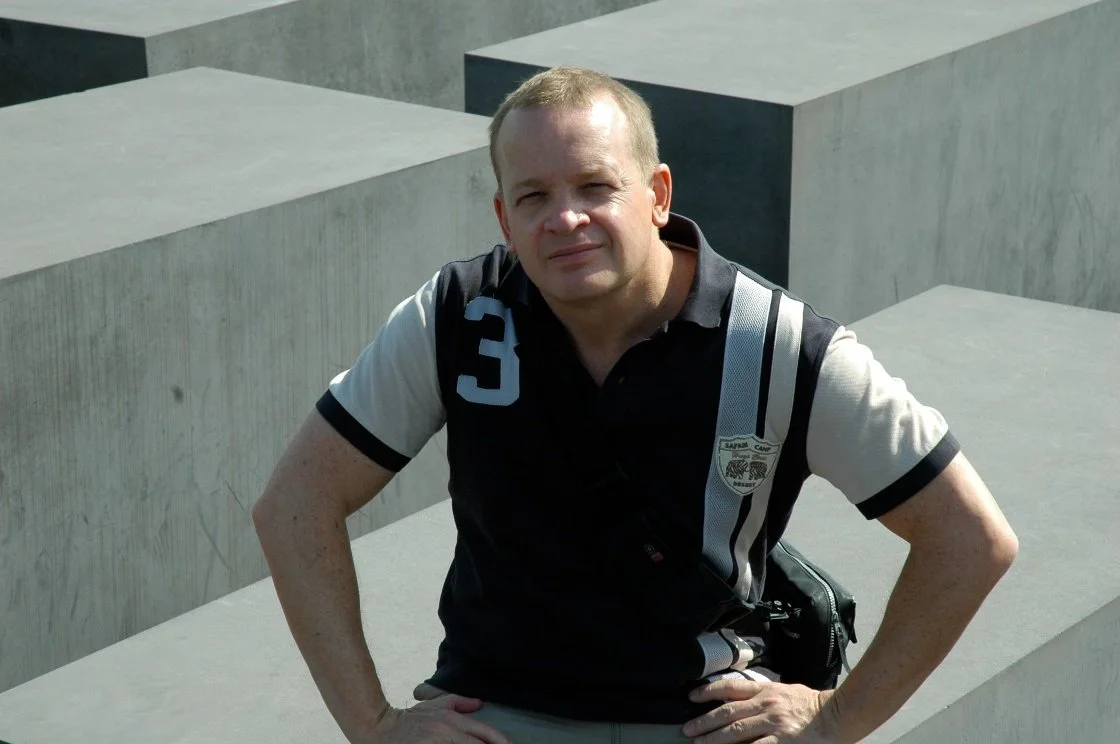
NSW Registered Architect and PhD researcher Dr Colin Polwarth, Director of the award-winning practice Studio Colin Polwarth.
About

Autonomous vehicles promise fewer road deaths, yet remain part of a competitive, scandal-prone industry.
Issues
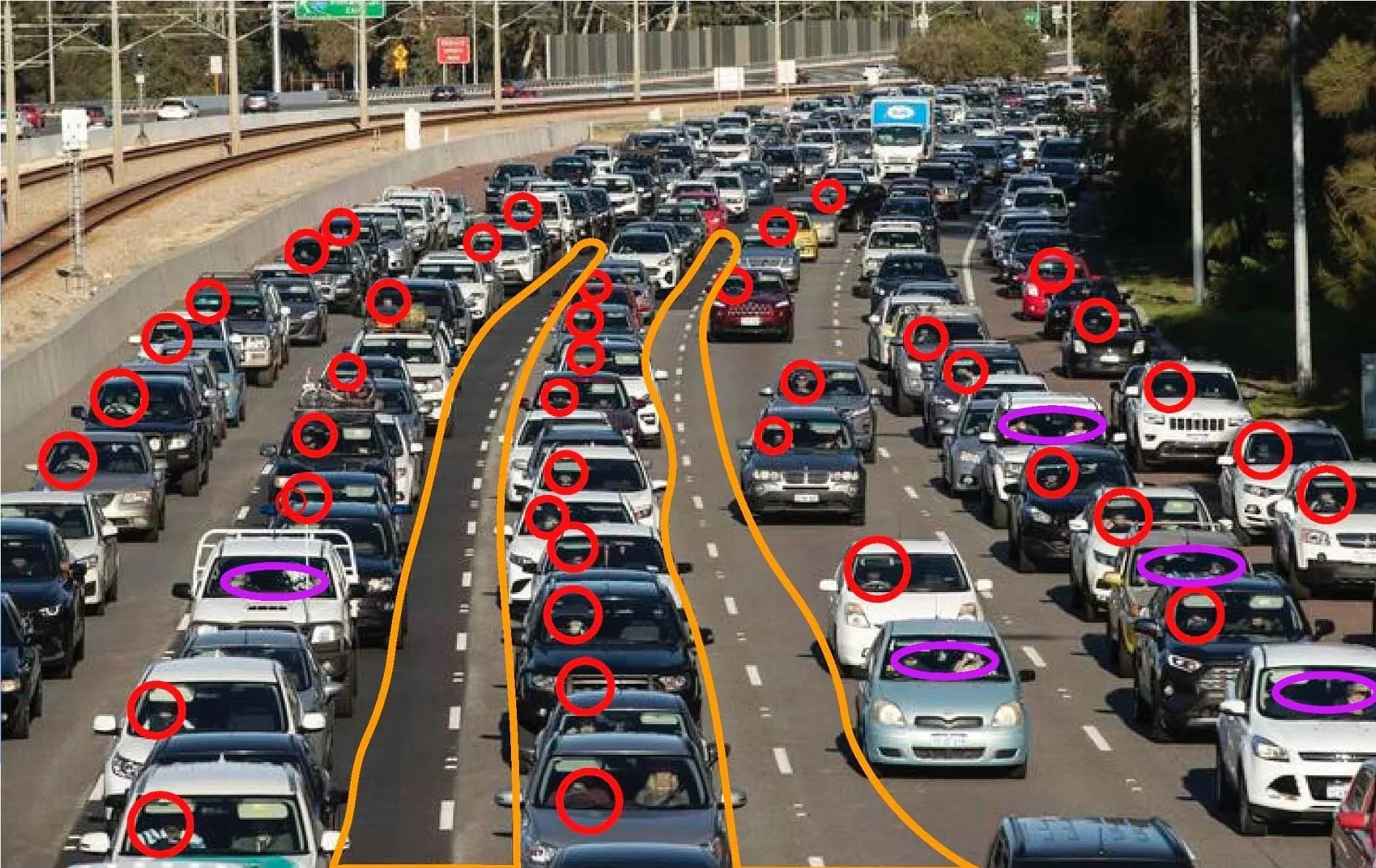
The orthodox anti-car versus pro-car debate over road space, and how CAREV-S micro-autonomous vehicles could shift thinking.
Orthodox debate
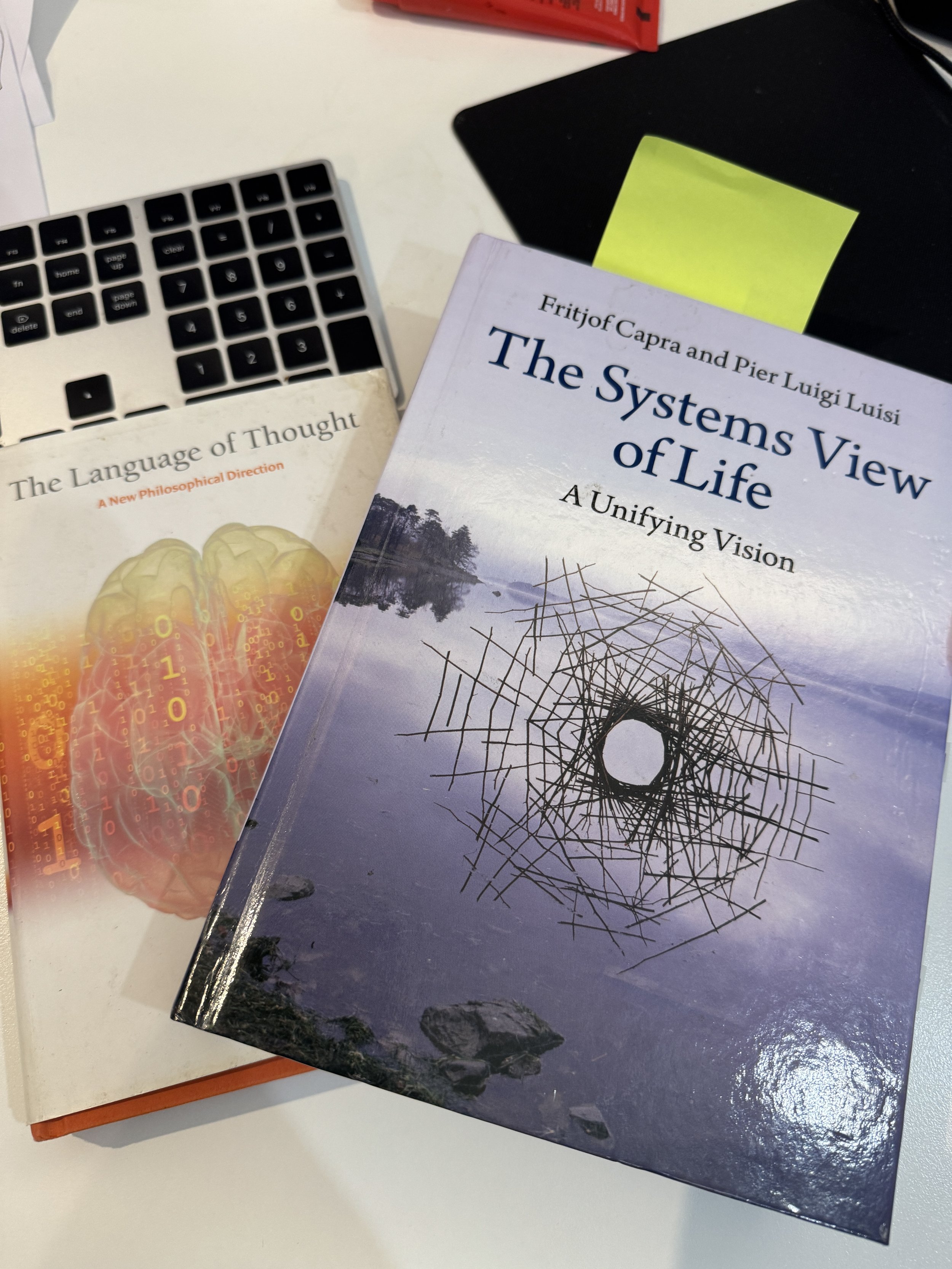
Key authors and texts underpinning the research, spanning systems thinking, philosophy of mind, social justice, autonomous vehicles and sustainable cities.
Who said what
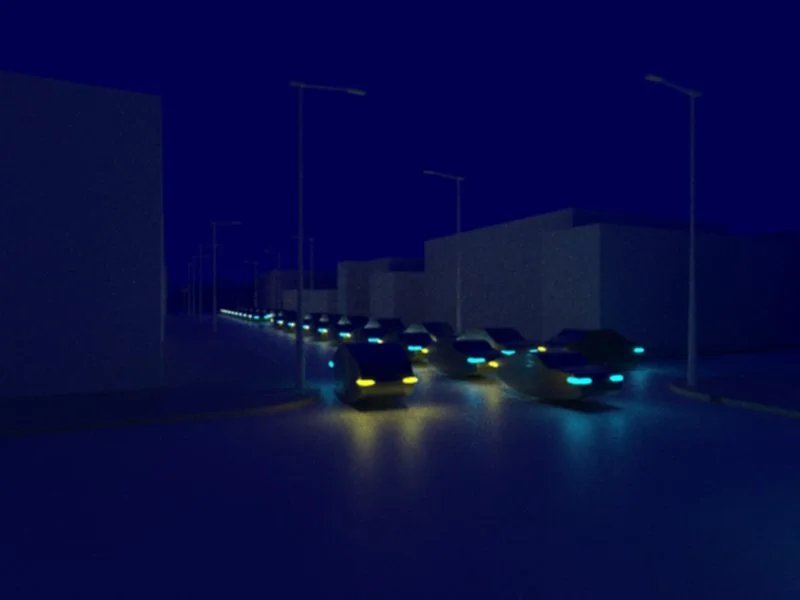
Understanding whether CAREV technology can improve environmental justice and equality.
Questions

A meta-question and six sub-questions exploring CAREV's combined effects on the public realm.
System approach
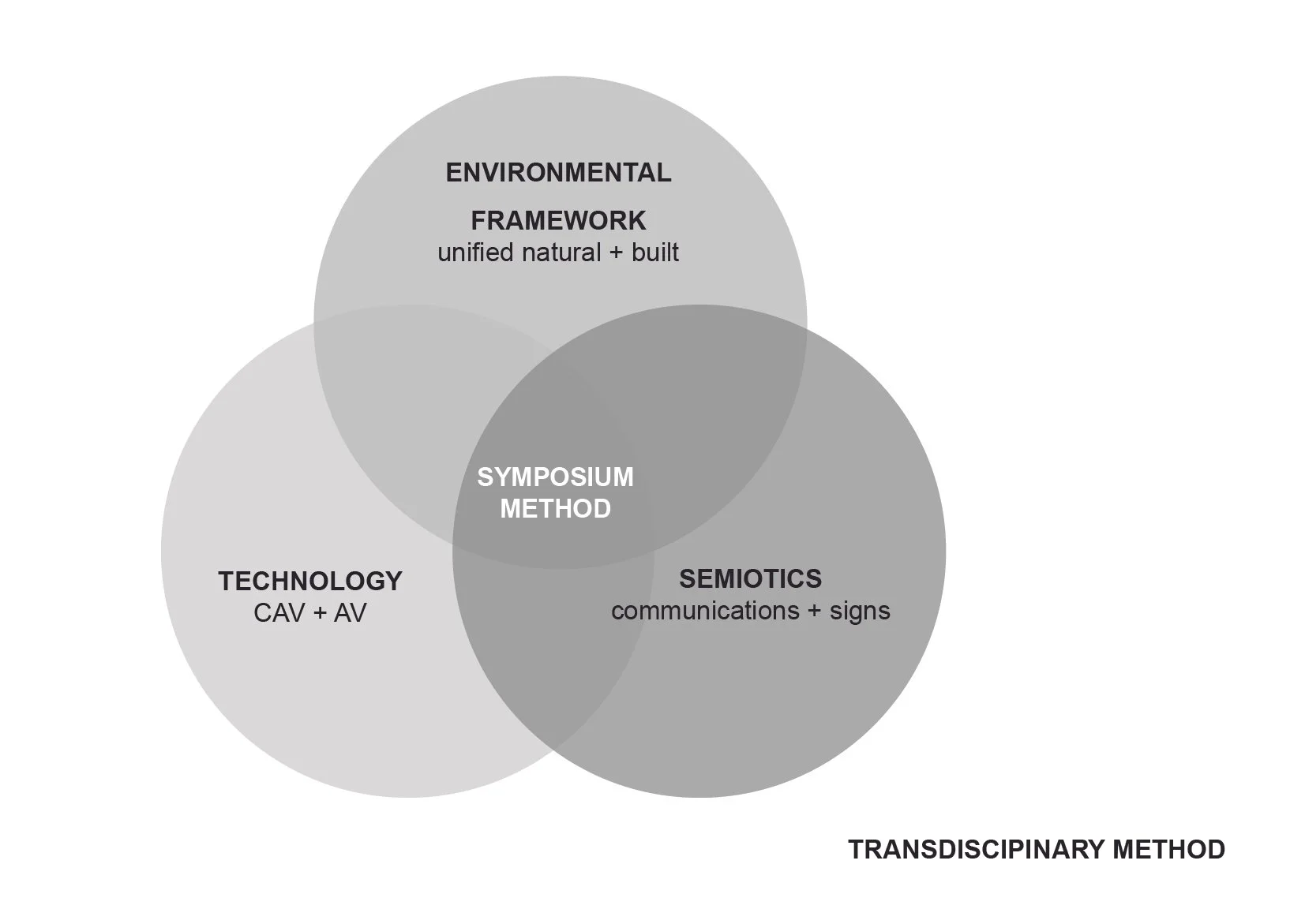
A holistic approach examining how a system's parts relate and behave together
Symposium method
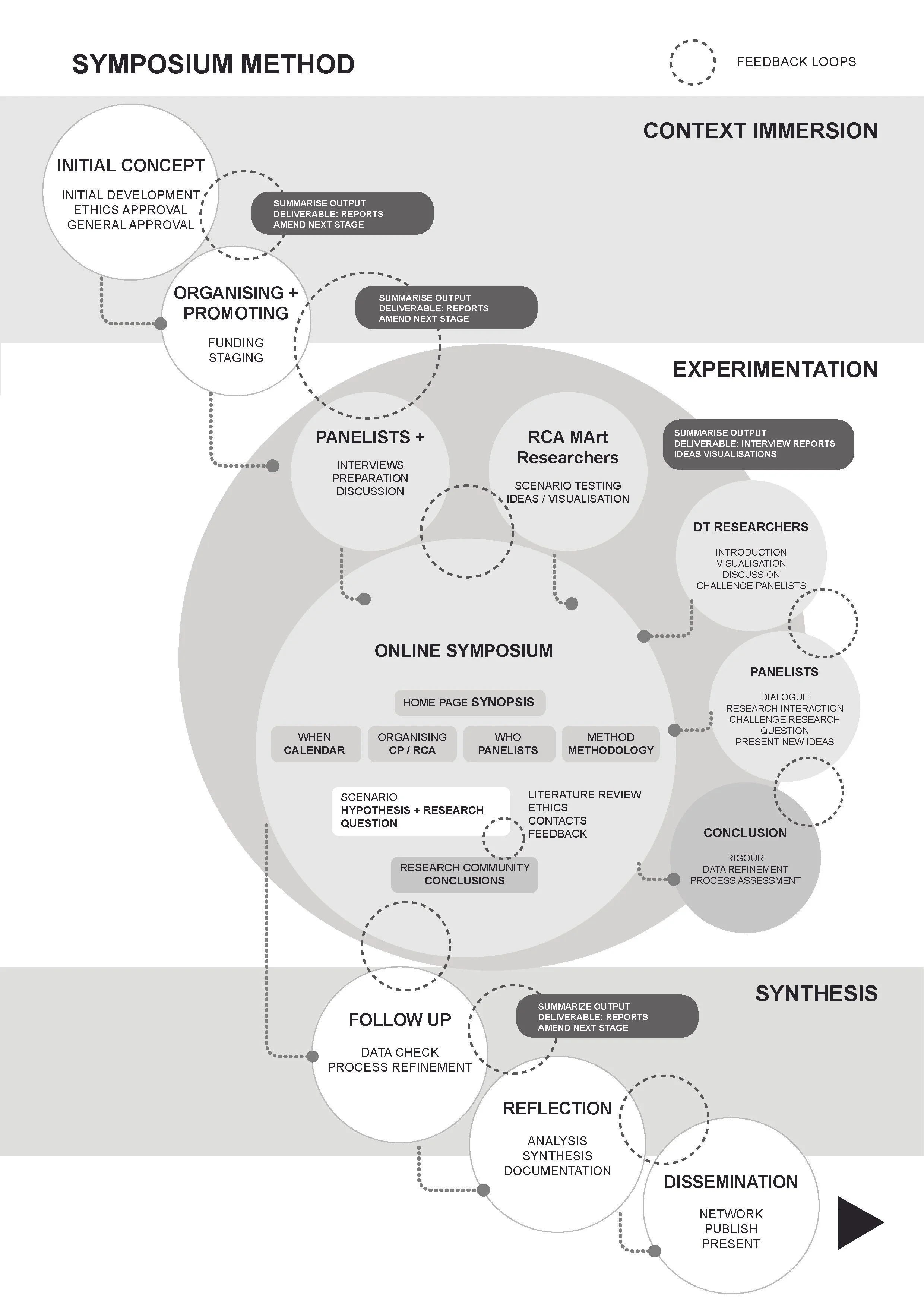
A transdisciplinary method generating new knowledge through structured public conversation across disciplines, documented in five open research symposiums.
Aims
Five guiding principles spanning living systems, transdisciplinary thinking, environmental responsibility, social justice and human oversight of machine intelligence.
Principles
The myths, religious texts and films that have shaped cultural expectations and hopes for an autonomous vehicle future.
Cultural history
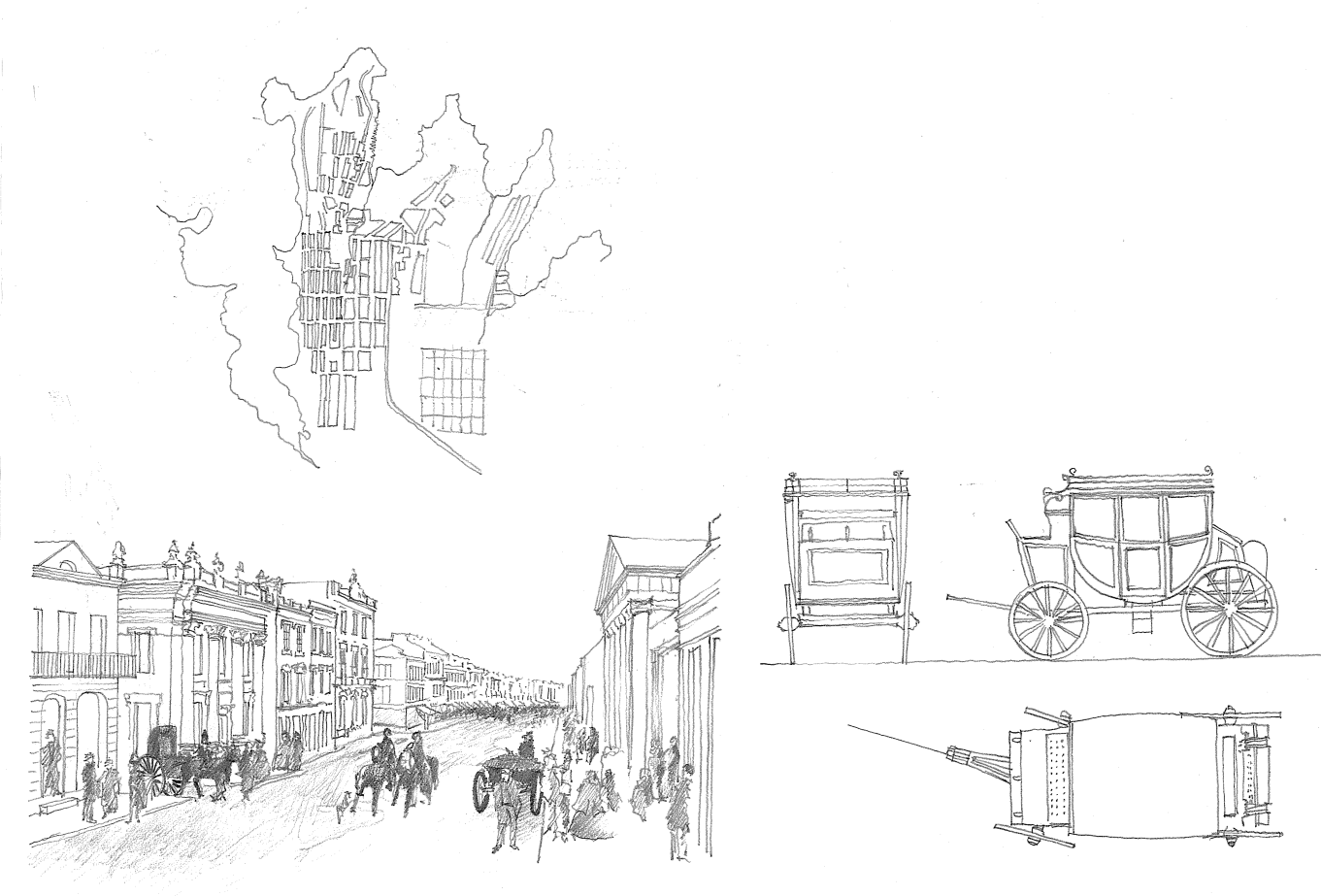
Fascinating and disturbing insights into how industrialisation, automation and military operations have shaped autonomous vehicle technology
Social history
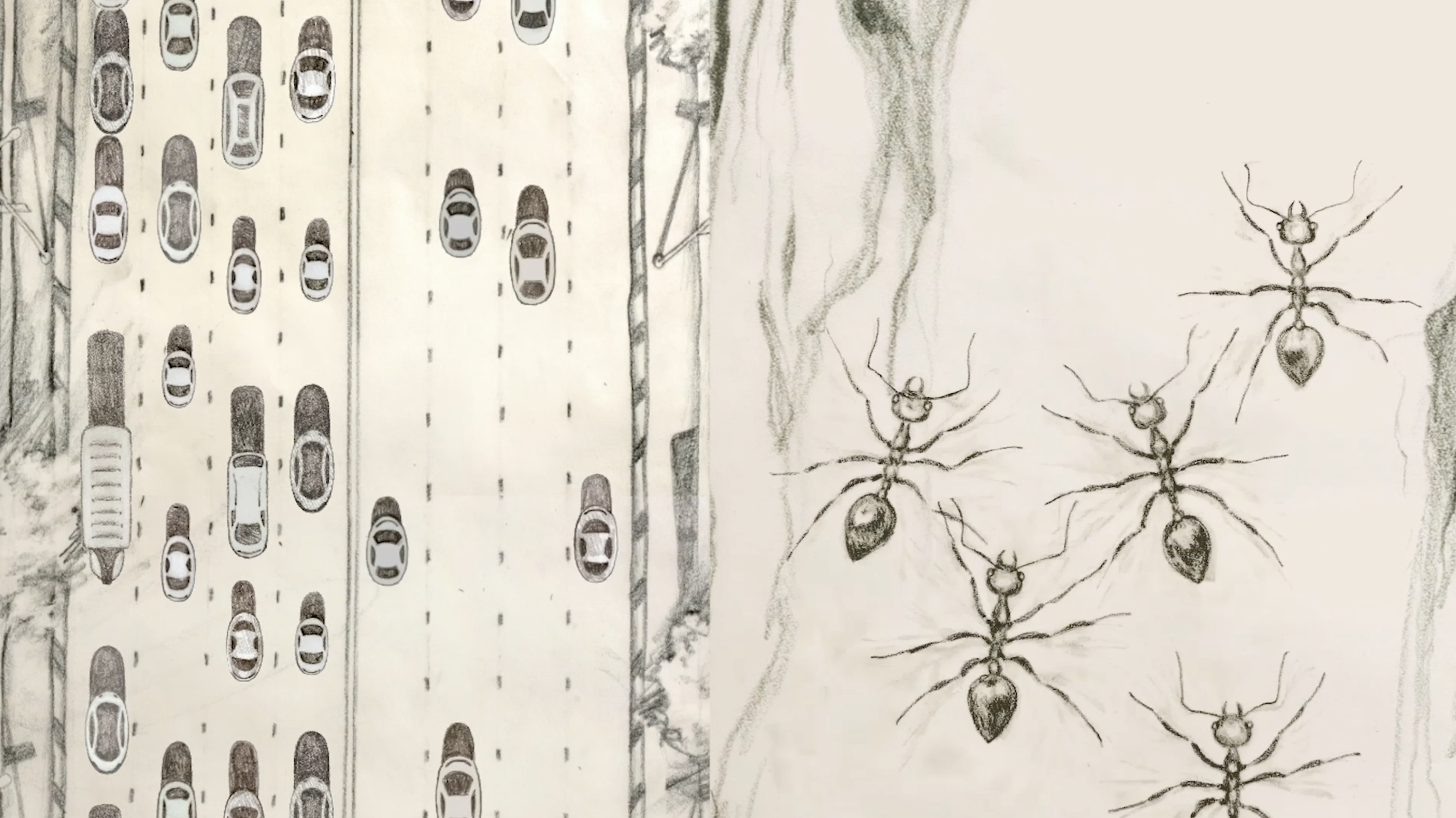
Investigating whether shifting from human-driven cars to CAREVs enables deeper change in the semiotics
Environmental semiotics
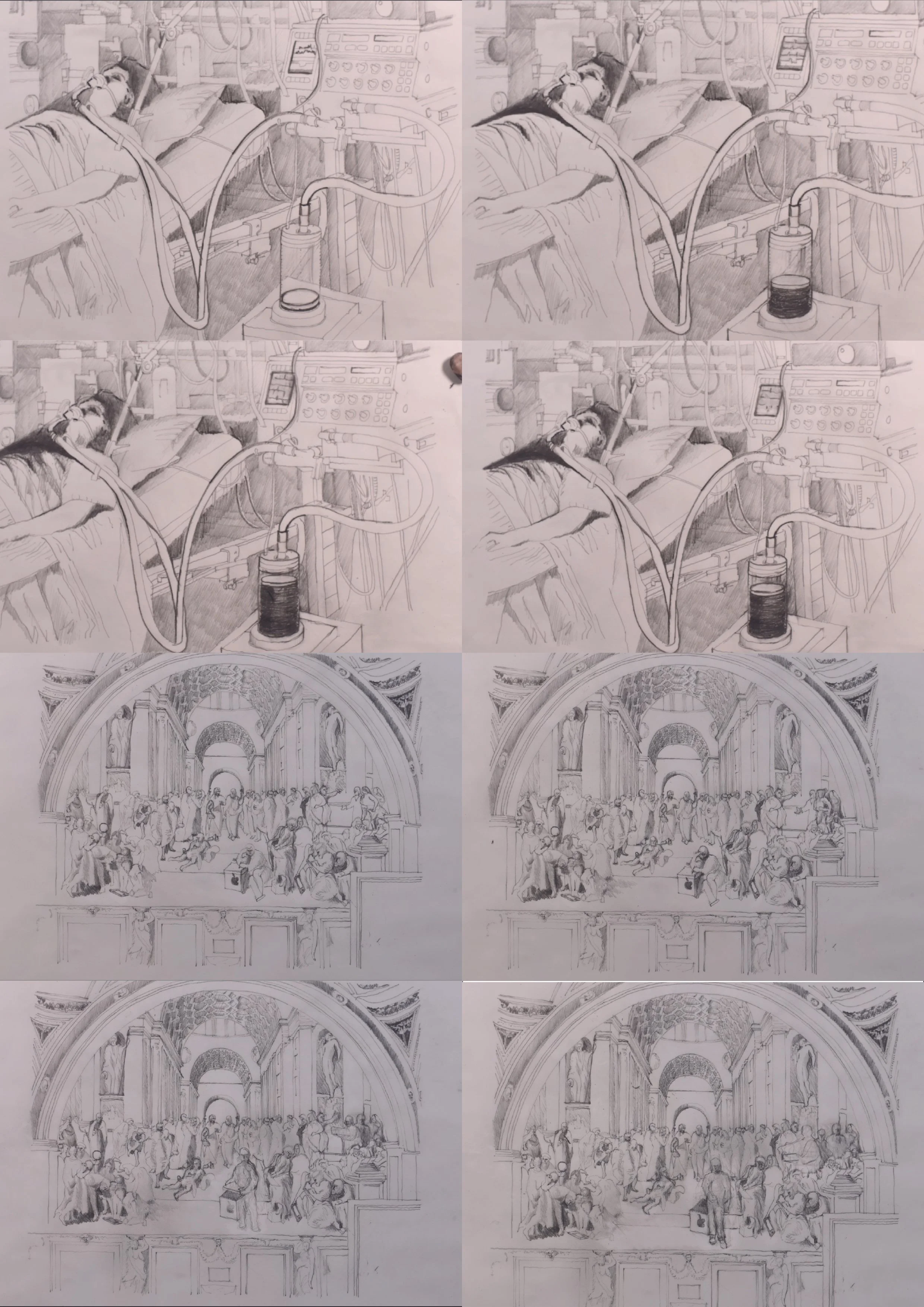
Stop-motion animations and hand-gesture semaphore experiments testing semiotic and spatial ideas, presented at Symposium 3.
Semiotic experiments
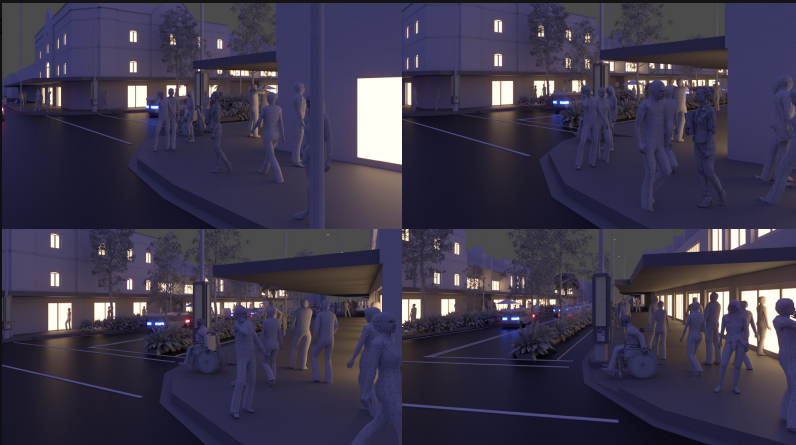
A rare, original spatio-environmental study measuring, modelling and drawing real streets.
Spatio-environmental
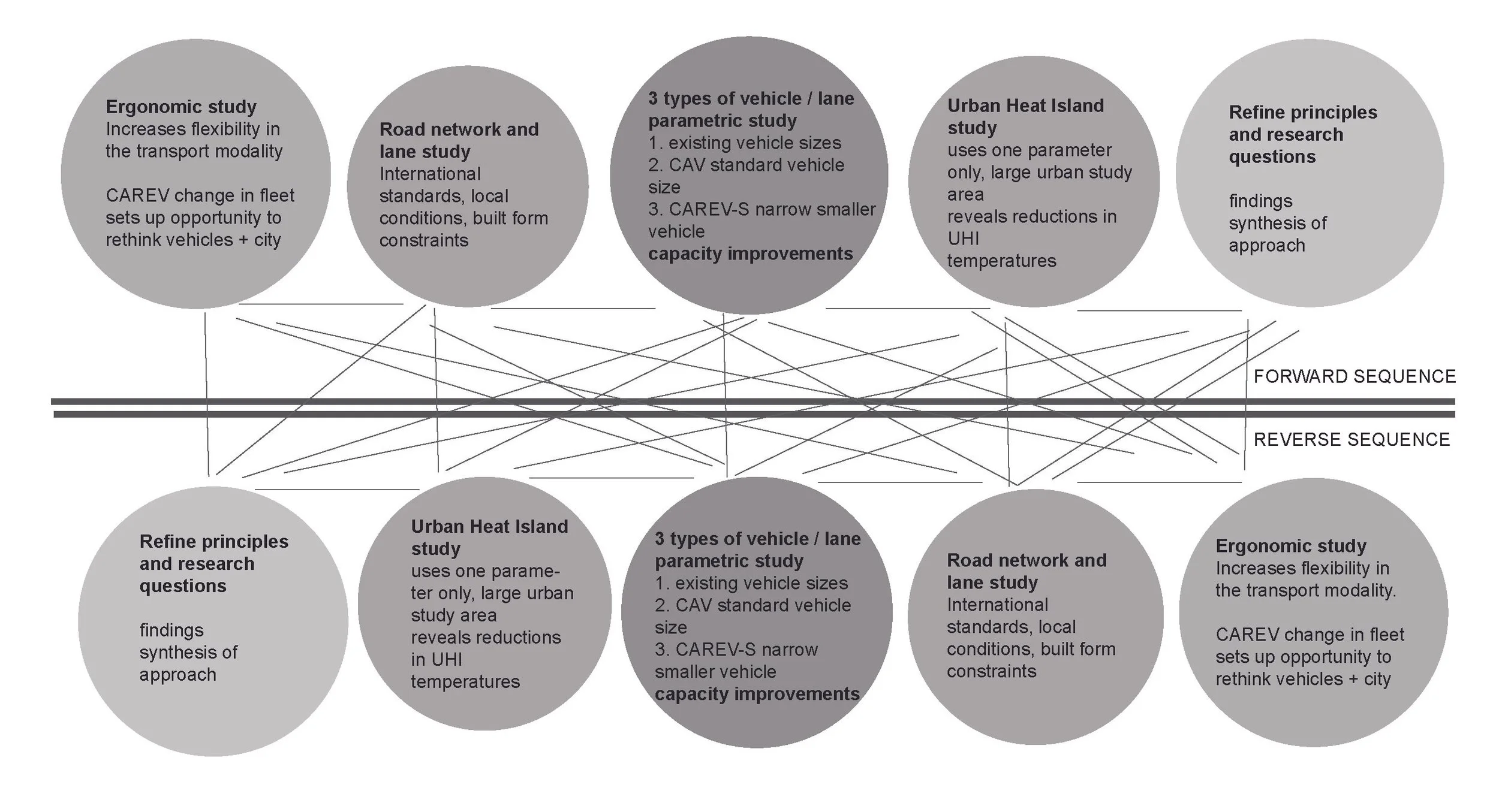
The founding hypothesis: achieving a magical, safe, just and synthetically intelligent transport system requires a genuinely transdisciplinary design approach.
Transdisciplinary design
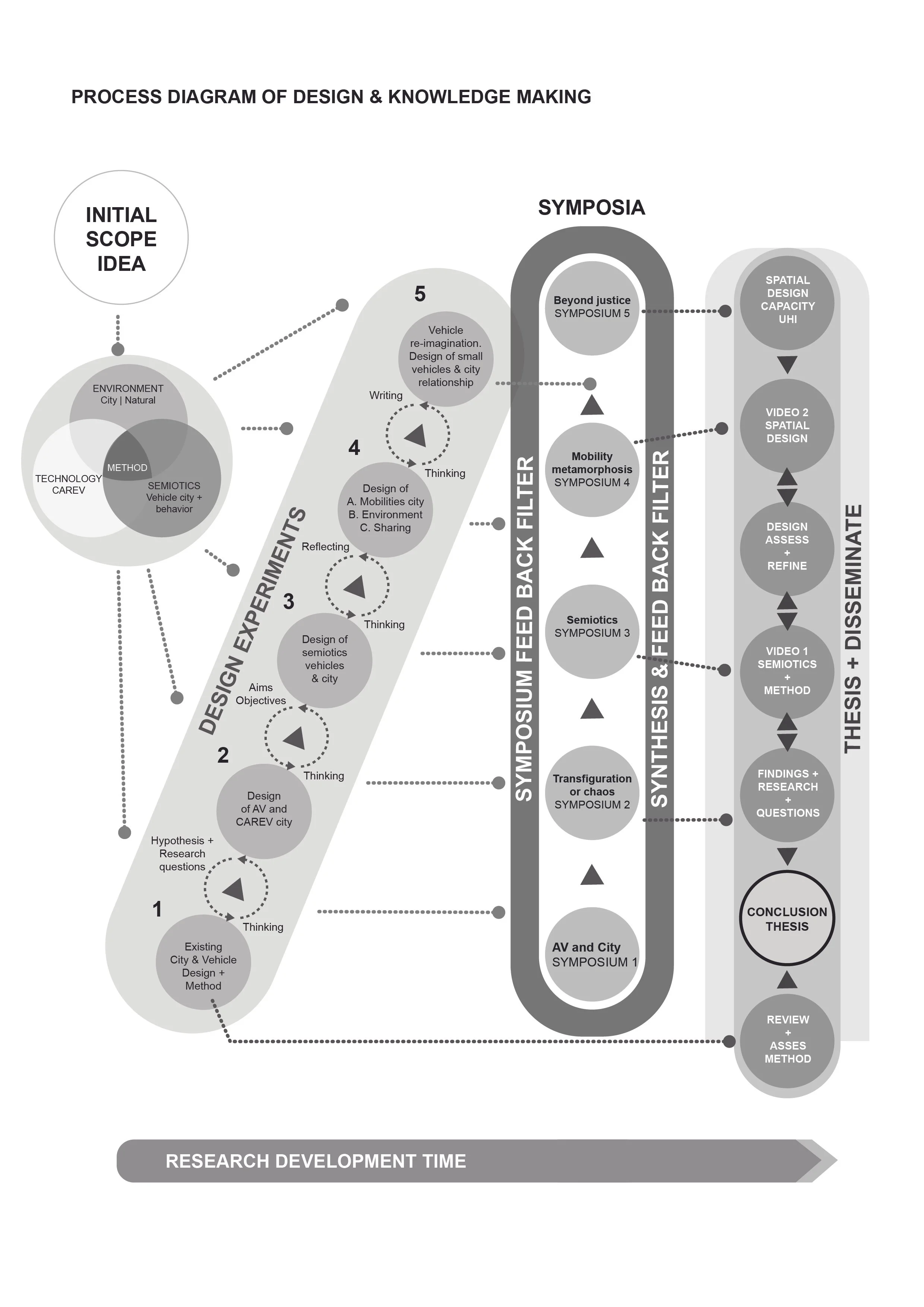
A new environmental and cognitive framework for CAREVs, combining systems thinking and philosophy of mind.
Originality + significance
About
Dr Colin Polwarth is a NSW Registered Architect and UK Urban Design Group Recognised Practitioner with over 30 years' experience, Director of the multiple award-winning architecture, urban design, art and environmental design practice Studio Colin Polwarth. He is well known for his public art and some of NSW's largest and most complex urban design projects. Colin was awarded his PhD in Architecture at the Royal College of Art, London, in 2025.
Issues
Autonomous vehicles aim to reduce the more than one million deaths caused globally each year by human driving fault, yet despite AVs already operating across many European, North American and Australian cities with growing presence and increasing sophistication. The vehicle manufacturing industry, one of the world's largest and most competitive, remains dogged by safety, economic and governance scandals, and AVs will fundamentally reshape how transport and urban infrastructure interact with people.
Orthodox debate
The long-running battle over urban road space pits anti-car and pro-car camps against each other; I call this the orthodox debate. Critics argue bigger roads worsen congestion, sustainability rhetoric can mask technocratic control, and industry avoids the debate. Rather than resolving the orthodox debate, the research suggests CAREV-S micro-autonomous vehicles could shift its terms.
Who said what
The main authors’ works which form the backbone of the research, include:
Capra, Fritjof, and Pier Luigi Luisi. The Systems View of Life: A Unifying Vision. Cambridge University Press, 2014.
Schneider, Susan. The Language of Thought: A New Philosophical Direction by Susan Schneider. MIT Press, 2011.
Harvey, David. Social Justice and the City. University of Georgia Press, 2009. https://pdf.wecabrio.com/social-justice-and-the-city-harvey.pdf.
Young, Iris Marion. Justice and the Politics of Difference. Princeton University Press, 1990.
Paret, Dominique, and Hassina Rebaine. Autonomous and Connected Vehicles: Network Architectures from Legacy Networks to Automotive Internet. Translated by Benjamin A. Engel. John Wiley & Sons Ltd., 2022.
Newman, Peter, and Isabella Jennings. Cities as Sustainable Ecosystems: Principles and Practices. Island Press, 2008.=
Townsend, Anthony. Ghost Road Beyond the Driverless Car. W.W. Norton & Company, 2020.
Aims
The research aims to understand whether the transformations brought about by CAREV technology can improve environmental justice and equality across cities, while also gaining deeper insight into the impacts that synthetic intelligence, embedded within vehicles and infrastructure, has on the public realm, everyday urban life and broader community wellbeing over time.
Questions
Organised around the meta-question of what combined effects a future CAREV system would have on the public realm, the research poses six sub-questions covering how society can live with and intervene in CAREV and synthetic intelligence, whether CAREVs can reverse pollution and improve public health and safety. The sub-questions are whether a shift to CAREV-S enables deeper semiotic and city-fabric change, what opportunities arise for spatial and social justice, and whether current industry definitions of autonomous vehicles remain adequate.
Systems approach
Systems thinking is a holistic approach focused on how a system's constituent parts relate to one another, and how systems behave over time and within the context of larger systems still. An important feature of systems thinking is its attention to nested systems, and dynamic systems within systems, which this research explores specifically in the overlapping spaces between the three themes of environment, semiotics and technology. The relationships and networks between subjects, not the subjects considered separately, are what matter most to this way of thinking.
Symposium method
At the heart of the research is the symposium method — a way of generating new knowledge not just from books, but from structured conversation across several disciplines and involving the public. It is a genuinely transdisciplinary method: because the subject matter spans three themes — technology, semiotics, and environment — no single discipline's usual research process could answer the research questions alone. The method needed to invite multiple opinions and voices into the design and feedback process, and to borrow and adapt techniques from other disciplines' traditions of enquiry as required.
Principles
To guide the research, five principles which span the three themes were developed:
Living systems are wholes. A city and its vehicles should be treated as one interconnected network, not a set of isolated parts.
Transdisciplinary thinking. Answers come from combining fields, engineering, design, ethics, social history, urban planning, rather than staying inside one specialist silo, a systems thinking approach.
Environmental responsibility. The whole system, manufacturing, energy use, and end-of-life recycling, must benefit the planet and the people living on it.
Social justice. The benefits and burdens of this new transport system must be shared fairly, including with groups too often left out: minorities, older and younger people, regional communities, disenfranchised groups, and LGBTQIA+ communities.
Human oversight of machine intelligence. As vehicles and cities become more autonomous, clear governance is needed to keep them accountable, transparent, and answerable to human judgement.
A cultural history of AV
A recurring theme and one that deserves far more serious attention than it usually gets, is the cultural history of autonomous vehicles: the myths, religious texts, and films that have shaped what people expect and hope for from an autonomous vehicle future. The technology is not yet fully developed, and this opens an opportunity for deeper understanding and thinking before the new vehicle type arrives on our streets.
Environmental semiotics
Environmental semiotics in CAREV investigates the relationship between semiotics and environmental responses: does a shift in the vehicle fleet from human-driven to CAREVs allow for deeper changes in the semiotics and communications of the public realm, and how can we learn to live with CAREVs as an integrated transport modality of our cities?
Semiotic experiments
Between 2018 and 2022, the research developed labour-intensive stop-motion animations and hybrid digital–handdrawn techniques to test semiotic and spatial ideas. These were presented in Symposium 3, that used seven experimental animations to provoke discussion on autonomy, ethics, movement, environmental communication, and cultural signalling, giving participants active, structured involvement in shaping the research. The symposium centred on a working CAREV communications panel displaying filmed hand-gesture semaphores. Historically grounded and community-tested, it demonstrated that clear, human-like AV signalling is achievable now with existing display technology.
Spatio-environmental study
Spatial studies of vehicles and cities are genuinely rare, in both research and professional practice. Architects and urban designers are well placed to lead this kind of inquiry, yet systemic, data-driven studies linking vehicle typology to street design are hard to find. That scarcity is part of why the study presented here is original: it does not simply theorise about AVs, it measures, models, and draws real streets. The spatio-environmental study focuses on improving ecological and human health outcomes as a social justice study.
Transdisciplinary design
The founding hypothesis is that achieving the cultural aspirations traced of a magical, safe, efficient, convenient, reliable, just, and synthetically intelligent transportation through CAREVs, requires a transdisciplinary approach to conceptualising the integration of synthetic intelligence with the city, the environment, and humanity.
Originality + significance
The research contributes a new environmental and cognitive framework for CAREVs, combining Capra–Luisi systems thinking with Schneider’s Language of Thought. It argues for reimagining AV classification around communication and environmental performance, proposing a transdisciplinary, ethically grounded technoecology that enhances safety, interaction, and urban liveability while challenging industry’s siloed, obsolescence-driven practices.
Conclusion
Centuries of myth, film, and story have quietly built up a shared human dream of autonomous transport: safe, intelligent, comfortable, and, if we are honest about it, a magical. That is an extraordinarily high bar, and the automotive industry, so far, has not come close to achieving. This research argues we should not settle for less. If CAREVs are designed, not simply allowed to evolve through the same planned-obsolescence logic that built the current mess, they could deliver on that old dream: safer streets, cooler cities, cleaner air, and dignity and access for the people currently left behind by transport as it exists today.
Measured against where we are now, that outcome would be nothing short of magical.
Links
Open research at:
The full PhD and its two videos:
Polwarth, Colin, 2025, Thesis. An environmental approach to connected autonomous renewable energy vehicles, associated semiotics and the synthetically intelligent city PhD thesis, School of Architecture. Royal College of Art
A social history of AV
The social history of AV provides fascinating and sometimes disturbing insights in the development of the technology and how industrialisation, automation and military operations have influenced the development of the technology.